- Espresso
Fig Mood Espresso
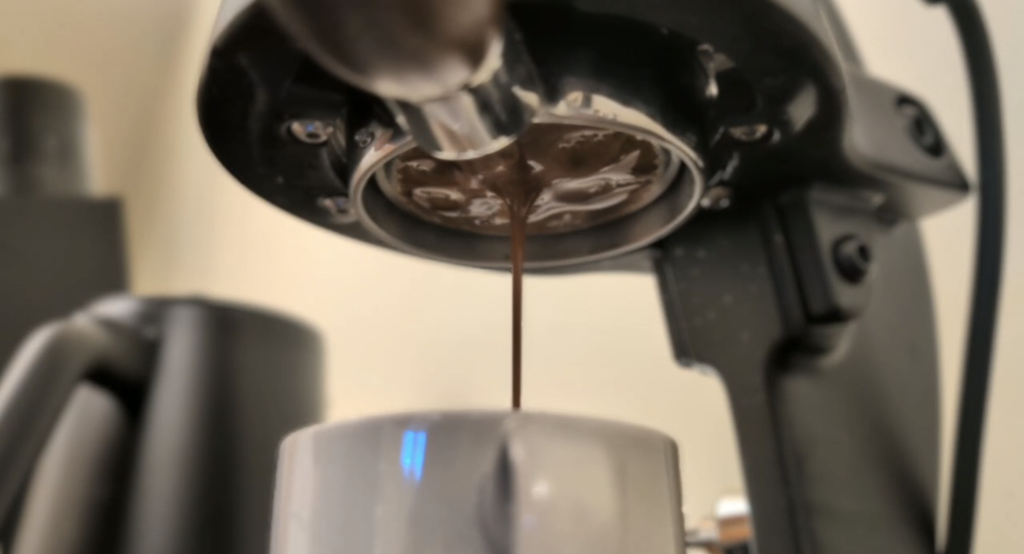
Fig Mood starts to introduce more fruit into the espresso. Its hallmark is its fig-like sweetness, but the coffee brings in juicy cherry liveliness and it's rounded out with candied pecan - bringing balance, sweetness and stone fruits. It's designed for those that want to delve further into the fruity espresso territory but still enjoying grounding notes of chocolate, candied pecans and cola.
The coffee in Fig Mood right now comes from La Roca in Costa Rica. La Roca is owned by a trio of brothers who all work on the farm and amongst the most meticulous and hardest working farmers we have come across. You can read more about them below.
Adding product to your cart


ABOUT THE COFFEE
At 2am, while the rest of Tarrazú is asleep, Juan Carlos and Felix Umaña are out on their mountain bikes, riding in complete darkness. They keep going until around 5:30, eat breakfast fast, change, and then go put in a full, heavy day of work on the farm. Every single day.
That's the first thing you need to know about the Umaña brothers.
The second thing is that Juan Carlos won La Ruta de los Conquistadores, a three-day, coast-to-coast mountain bike race across Costa Rica that throws pretty much every kind of terrain at you. It is absolutely brutal. He won it.
So where does that come from? Their mom. She's famous for her baking, and when the boys were kids they would load up her buns and ride them into town to sell every day. Town is 5km away and 500m lower than the house. Lovely on the way down. Then you have to ride home.
Felix, Dario and Juan Carlos are fourth generation coffee producers who grew up on the farm in Alto Canet, and their dad taught them agriculture from a young age. For generations the family grew the coffee, picked it, and delivered the cherries to the local co-op. Then in 2014 the brothers built their own micro mill and named it La Roca. Every year since, they've been learning processing and getting better at all of it, from cherry selection to de-pulping to drying.
It shows. They've finished top five in the Exclusive Coffees competition three years in a row, including first place in 2021. And what did they do with the prize money from that win? Every cent went into new de-pulping equipment. Of course it did.
Unlike a lot of producers in Costa Rica, the brothers do a big share of the manual labour on the farm themselves. That means the work gets done properly and at exactly the right time, and that's the stuff that sets them apart on the cupping table.
This lot is a Red Catuaí from their farm El Alto, at 2000m. Up there the coffee grows slowly, which gives it more time to build complexity. It surprises me on the cupping table every year, with delicate juiciness and fruit notes that manage to be complex and elegant at the same time. One of my favourite Costa Rican coffees this year.
They're some of the hardest-working people I've met in coffee, and some of the most humble. I'm proud to be sharing their coffee.
– Sebastian

PAIRS WELL WITH
Love it!! First time trying a more fruity coffee.
Excellent espresso
So smooth and flavorful. The perfect start to my every morning.
Wonderful smell of the-beans and the taste is fabulous
Amazing beans for espresso drinkers! Very fruity, you can actually taste the fig anotes and cherry notes in the cup. It pairs well with milk too! The fruitiness and acidity shine in a flat white.